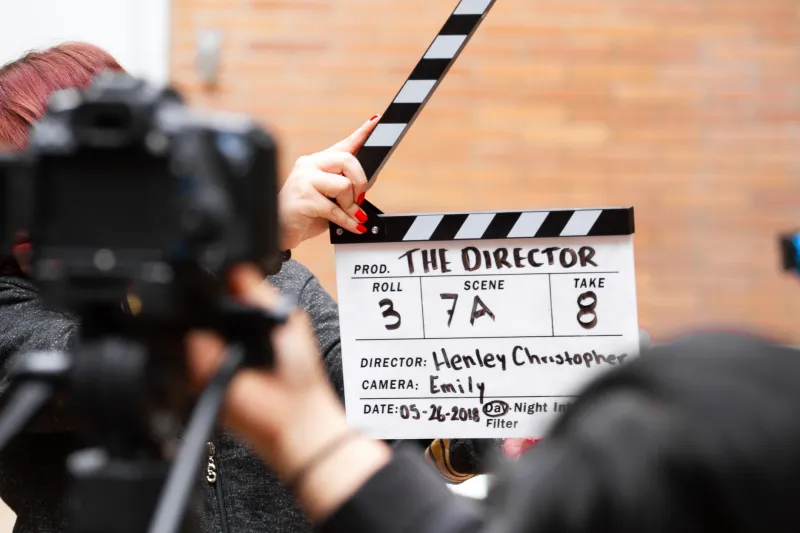
The Footage That Didn't Make the Cut: On Patience, Outtakes, and the Unseen Work of Anton Park
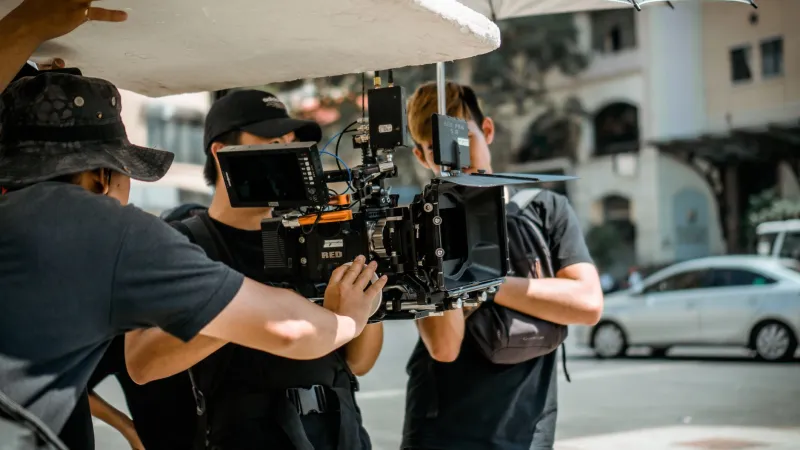
There is a version of Anton Park's career that exists only on two battered hard drives in a Brooklyn edit suite. It contains a sunrise in Marfa that came out flat. A tracking shot through a Detroit alley aborted three times because a neighbor's dog refused to stop barking. Forty minutes of a static frame outside a diner in rural Pennsylvania while Park and his small crew waited for fog that never arrived.
None of it will appear in a showreel. All of it, Park insists, is the actual work.
The Reel Is a Lie of Compression
Every filmmaker's public facing material is an act of ruthless editing — not just of shots, but of time. A ninety second reel might represent two years of production, and within those two years, the overwhelming majority of the footage captured was, by definition, not used. Park's archive is unusually well preserved; he keeps annotated outtakes with director commentary, a habit he picked up from an early mentor who told him, "You'll learn more from your rejects than your selects."
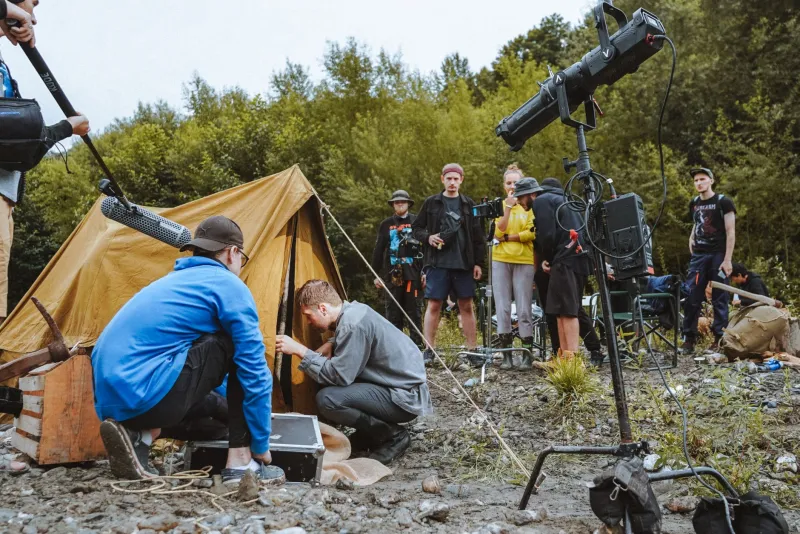
Watching these clips in sequence is a strange, almost meditative experience. The rhythm of the outtakes is nothing like the rhythm of the finished films. It is slower, more repetitive, punctuated by long silences and the quiet negotiations of a set: a grip calling out a light change, a pause while a passerby crosses frame, the soft click of Park resetting a camera he has just spent ten minutes positioning.
What emerges from the accumulated hours is a portrait of filmmaking as an endurance practice — one where the decisive skill is not vision but patience.
Annotated Failure as a Teaching Tool
Park's commentary tracks on his own discarded footage are disarmingly candid. On a clip of an overexposed dawn exterior shot in West Texas, he notes simply: "Chased a look I'd seen in someone else's movie. This light doesn't belong to me." On a handheld sequence from a 2019 short that was cut entirely: "Moved the camera because I was bored. Boredom is not a reason. Waiting is."
That last line has become something of a mantra among the small circle of collaborators who pass through Park's productions. The idea — that stillness, restraint, and the willingness to sit inside a location until it reveals something — is the connective tissue between his films. The outtakes prove he practices what the finished work preaches. For every composed, patient frame in a final cut, there are hours of Park waiting in the same spot, watching the same light, before the take that mattered.
What the Discarded Frames Teach
Three lessons surface repeatedly across the archive:
The location decides the schedule. Again and again, the outtakes show Park surrendering his plans to weather, traffic, and natural light. A planned golden hour sequence became a two day ordeal when clouds rolled in; the eventual shot in the finished film lasts four seconds. The reel shows the four seconds. The footage shows the two days.
False starts are research. Many of the abandoned setups in the archive reappear, transformed, in later projects. A failed composition from a 2021 shoot — a doorway framed against a window — returns, refined and resolved, in a scene from his most recent short. The discard pile, it turns out, is a sketchbook.
The crew's waiting is part of the frame. Some of the most revealing clips are the ones where the camera kept rolling after the take ended: crew members stretching, a production assistant reading a paperback in the corner of a diner set, the mundane choreography of people who have learned to be still together. Park calls this "the second film" — the documentary that happens inside every fiction shoot.
Why This Matters to Audiences, Not Just Filmmakers
There is a temptation to treat behind the scenes material as trivia — bonus content for completists. But Park's outtakes make a stronger claim. In an era when the showreel has become the primary currency of a filmmaker's reputation, the discarded footage functions as a kind of corrective. It reinserts time, doubt, and labor into a medium that presents itself as effortless.
For festival audiences and industry peers alike, the argument is worth taking seriously: the next time a frame seems to hold its breath — a long static shot, a scene that trusts silence — consider the hours of unseen waiting that made it possible. The polished reel is the destination. The hard drives are the journey.
Park, for his part, has no plans to release the archive publicly. "It's not meant to be watched," he says. "It's meant to prove the work happened." Which may be the most honest thing any filmmaker's footage can do.